
When Zimbabwe appeared on a recent global ranking of the best countries to visit in 2025, alongside Morocco, it surprised many casual readers. International press often paints Zimbabwe as unstable, isolated, or unsafe. Yet those who have visited know the truth is more layered.
Tourism in Zimbabwe has been quietly growing, and many travelers leave with stories of warmth and beauty. Still, a question lingers: is Zimbabwe safe for white tourists?
It’s not an idle question. The memory of land reform and political turmoil at the turn of the millennium still shapes perceptions abroad. In that period, white commercial farmers lost land, and headlines around the world spoke of violent takeovers.
For many who only know Zimbabwe through those stories, the thought of visiting raises concerns. Would a white tourist stand out? Would they face hostility?
The reality is more reassuring. Zimbabwe today is one of the most welcoming destinations in Africa, and the racial anxieties of two decades ago rarely surface in tourist settings. But answering is Zimbabwe safe for white tourists requires honesty, not gloss. Safety in Zimbabwe is not identical to safety in Europe or Japan. It is closer to safety in Morocco or Kenya: safe if you are sensible, unsafe if you ignore context.
Where the Question Comes From
To understand why people wonder whether Zimbabwe is safe for white tourists, it helps to look back. Land reform in 2000 was a defining moment. For decades, white farmers controlled much of the best agricultural land. When the state moved to redistribute it, chaos followed. Some farms were taken violently. A number of white families fled, and those who stayed faced intimidation. The story made front-page news mostly in the UK, Australia, and South Africa, because many of those farmers had connections there.
This created a lasting image: Zimbabwe as a place hostile to white people. That image persists even though it was tied to a specific moment, class, and group, not ordinary visitors. A farmer defending land in rural Mashonaland in 2001 is not the same as a German couple on safari in Hwange in 2025.
On the Ground Today
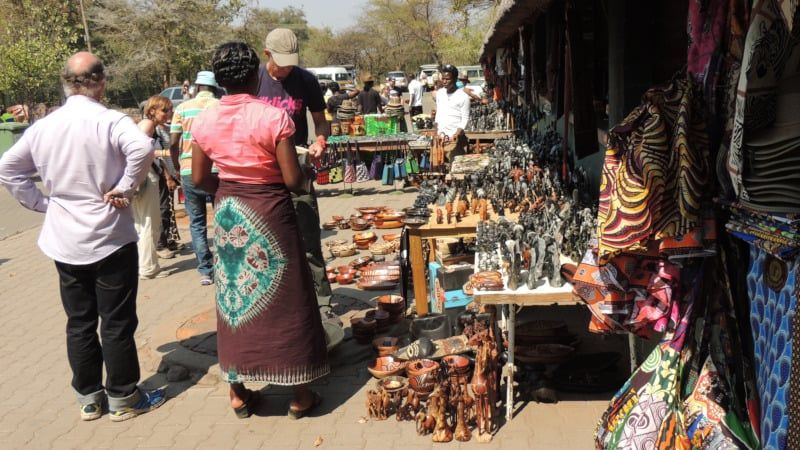
Step into Victoria Falls town, the main tourist hub, and you see another picture. White tourists, Black tourists, and locals move easily in the streets. Hotels and lodges are staffed by Zimbabweans used to guests from all over the world. Tour operators crack jokes in English and Shona, and vendors in the craft market push carved hippos and batik cloth with the same energy no matter the skin color of the buyer.
There is no evidence that white tourists are singled out negatively. If anything, white travelers may be seen as more likely to spend freely, which draws attention from street hawkers. But attention is not hostility. Zimbabwe’s economy is fragile, and tourism is one of the few reliable foreign currency earners. Tourists, regardless of race, are treated as guests who help keep businesses alive.
So, is Zimbabwe safe for white tourists in places like Victoria Falls or Hwange? The short answer is yes. The risks are less about race and more about the usual issues of petty crime and scams that exist anywhere visitors carry cash and cameras.
Comparing Zimbabwe to Morocco and South Africa
The global travel list that placed Zimbabwe and Morocco side by side offers a useful comparison. Morocco is famous for its bustling markets, tiled courtyards, and desert tours. But it also has a reputation for persistent touts, scams, and occasional hostility to tourists who ignore cultural codes. South Africa, another regional competitor, has world-class attractions but struggles with violent crime that sometimes spills into tourist spaces.
Zimbabwe sits somewhere in between. Visitors don’t face the same intense hustling as Morocco, nor the same level of violent crime risk as South Africa. In Harare, there are pickpockets, but in safari areas the most pressing danger is a curious elephant on the road.
When the question is Zimbabwe safe for white tourists is asked in comparison, Zimbabwe often comes out as calmer than its neighbors. The political system may still draw criticism, but the social atmosphere for visitors is more relaxed than outsiders expect.
Race and Perception
Race in Zimbabwe is complicated, but in daily interactions it is less tense than some imagine. Zimbabweans are aware of history. They know about colonialism, land seizures, and economic divides. But they also distinguish between political struggles and personal encounters.
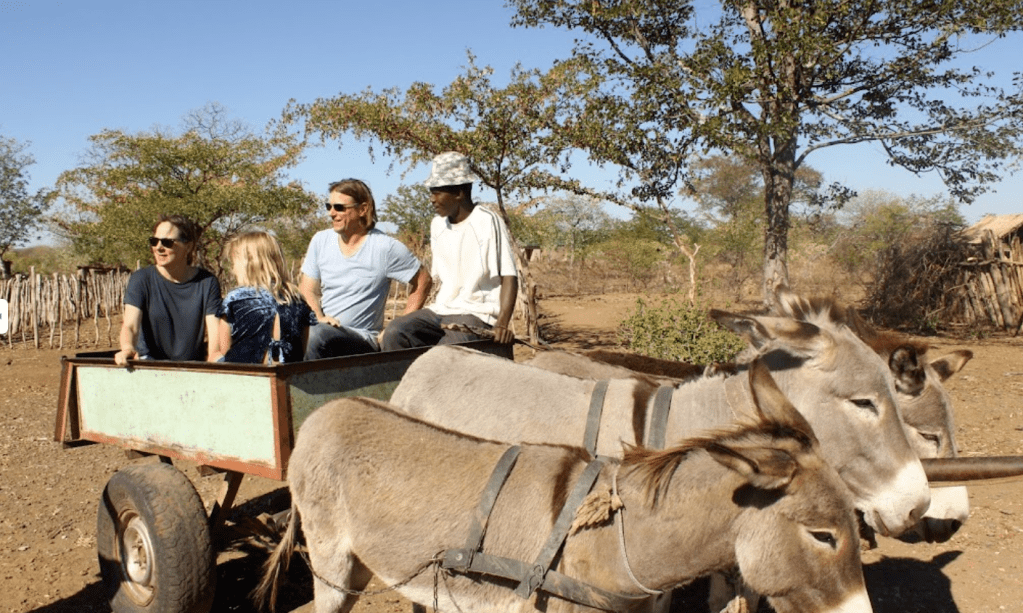
Most Zimbabweans have hosted white teachers, aid workers, or tourists in their communities. English is widely spoken, and cultural pride often comes with a desire to show visitors kindness. A white tourist may draw stares in rural areas, but curiosity does not equal danger.
If there is any tension, it is more about class than race. Flash wealth, whether by a white tourist or a Black Zimbabwean, can attract some level of bootliciing or resentment in a country where poverty is widespread. But the resentment is about inequality, not skin color.
So when people ask is Zimbabwe safe for white tourists, they are really asking whether old political scars will shape everyday behavior. In most tourist contexts, the answer is no. Tourists are guests, not participants in the historical land debate.
Where Caution Is Needed
To reassure does not mean to pretend Zimbabwe is without risks. Tourists, white or otherwise, need to stay aware.
Urban safety: Harare and Bulawayo are generally fine by day, but walking alone at night, especially downtown, is unwise. They are a rare one in a million occurances, but opportunistic muggings may happen. You never know.
Transport: Long-distance buses can be chaotic. Registered Taxis are safer than unregulated kombis.
Police stops: Roadblocks have decreased but still exist. Bribes are less common than in the past especially for tourists, but confusion over documents can happen. Tourists usually pass without issue.
Political gatherings: Protests are rare but should be avoided if they occur. As is any country
Wildlife areas: The real danger in the bush is from animals. Respect park rules, don’t wander at night, and listen to guides.
These are standard travel cautions. None are specific to white tourists, there aren’t any specific to race.
Voices of Tourists
Travel forums reveal a pattern. Many white tourists arrive nervous, then leave surprised at how safe and welcome they felt. On TripAdvisor and Lonely Planet boards, visitors write about the friendliness of locals, the professionalism of safari guides, and the sense of calm compared to other destinations.
A British traveler described walking around Victoria Falls alone, finding people helpful and curious. An Australian family reported that locals treated their children with affection, offering small gifts and greetings. An American couple who self-drove to Mana Pools said they faced more trouble from flat tires than from people.
The repeated refrain: “I was worried before coming, but I felt safe once I was there.”
Are you enjoying reading this post? Receive Notifications via email when new articles are published
The Economic Dimension
Zimbabwe’s economy has struggled for years. Hyperinflation, unemployment, and currency crises have shaped daily life. In that context, tourism is lifeblood. Victoria Falls in particular depends on international arrivals. Hotels, guides, and craft sellers rely on the spending power of visitors.
Because of this, there is a strong incentive to keep tourists safe and happy. The government and local communities both know that one ugly incident could spread online and undo years of effort. This economic dependency acts as a shield for visitors.
So when the phrase is Zimbabwe safe for white tourists comes up, the overlooked truth is that Zimbabwe has practical reasons to ensure the answer is yes. Safety is not just goodwill but survival for us.
My Reflections
As a Zimbabwean, the question is Zimbabwe safe for white tourists lands in a complicated space. On one hand, it stirs frustration. It suggests that race relations here are defined only by conflict. On the other hand, it is fair for outsiders to ask. They carry the baggage of news headlines and family caution.
The truth is simpler: most Zimbabweans want tourists, of any race, to feel at home. We are proud of our landscapes, our history, and our culture. Visitors allow us to show that Zimbabwe is more than its political crises.
White tourists are not a curiosity anymore. They have been coming for decades, and their presence blends easily with the safari trucks, the river cruises, and the lodge verandas. The real question is not about race but about whether Zimbabwe can keep building stability so all tourists Black, white, or otherwise, can enjoy it without fear.
Conclusion: Is Zimbabwe Safe for White Tourists?
So, let’s return to the question of the day: is Zimbabwe safe for white tourists?
Yes, Zimbabwe is safe for white tourists. It is as safe as most other African travel hotspots, and in some ways calmer. Visitors are welcomed, not resented. Risks exist, but they are tied to common-sense travel caution, not to skin color.
What Zimbabwe offers in return is unforgettable: the spray of Victoria Falls at sunset, the quiet of Hwange’s elephants at dusk, the ancient stones of Great Zimbabwe at dawn. To miss these experiences because of outdated fears is to let old headlines steal present joys.
Zimbabwe deserves to be seen not through the lens of past conflict, but through the eyes of today’s traveler. And the honest answer to the question, is Zimbabwe safe for white tourists, is yes.
Did you enjoy reading this post? Receive Notifications via email when new articles are published
Latest Articles
- Fox News And The Three Part MissionPete Hegseth outlined a three-part military mission strategy against Iran. 1. Destroy missile capabilities. 2. Cripple its navy. 3. Prevent nuclear weapons. That’s the Fox News headline. Clean. Structured. Three parts. A plan, with competent men behind it. Read the same day’s Al Jazeera. The death toll is past a thousand. Tehran is being hit in what the Israelis are calling the tenth wave of …
- Operation Epic Fury VS The US-Israeli War On IranNotice the name. The Americans call it “Operation Epic Fury.” Fox News runs it in bold like a movie title. Heroic. Decisive. Epic. Fury. Meanwhile Al Jazeera’s headline on day one reads: the United States-Israeli war on Iran. Notice how they do not say “operation” or “mission” . It’s a war, on Iran. Subject, verb, object. Clean, factual, brutal. These are not two outlets covering …
- The Long GameHere’s the cold, rational truth. Even if this works, even if the Iranian regime collapses, even if some moderate government rises from the wreckage, even if not one more American dies, the Trump Administration will have established that the United States assassinates foreign heads of state without congressional approval, that international law means nothing when America decide it’s inconvenient, that diplomatic negotiations can be abandoned …
- Six American soldiers are dead in the #USIranWar The US military confirmed that its death toll from the conflict has risen to six, after two bodies were recovered from a regional facility struck by Iran. Six. With more promised. Trump himself said there will be more casualties. He said it like a weather forecast. “There will likely be rain on Tuesday. There will likely be more American deaths.” Six families were destroyed. Six …
- The Insurance Companies May Have Ended The #USIranWarHere’s the most surreal part of all of this: Iran didn’t even need to physically close the Strait of Hormuz. Iran has deployed selective drone and rocket attacks. That’s been enough for shipping companies and the insurers who underwrite them to balk at the risk of sending ships through the strait. The insurance companies said no. That was it. Fifteen hundred years of naval strategy, …
- The Sanctions Came FirstThis war didn’t start on February 28. The strikes follow the failure of recent indirect talks between the US and Iran in early February 2026. The talks themselves followed the October 2025 triggering of the snapback sanctions against Iran under the 2015 nuclear deal by the UK, Germany and France. Together, sanctions, failed talks and airstrikes form a sequence. A chain. Every link was a …
- What Does Regime change Actually Mean?Trump said regime change on day one. Then he walked it back. Then it came back. Trump’s goals for the war have shifted from regime change to stopping Iran from developing nuclear capabilities to crippling its navy and missile programs. In five days! The goal of the war changed three times in five days! It looks like man making it up as he goes with …
- The MAGA coalition is CrackingTrump’s MAGA coalition is splintering over what it sees as the president’s failure to keep his “America First” campaign promise by leading the U.S. toward an overseas war to protect his pupeteers, Israel. The base that chanted “no more wars” is watching their guy start one. Without Congress and without a plan, not even a coherent explanation of what victory looks like. Some are staying …
- Diplomacy?The strikes follow the failure of recent indirect talks between the US and Iran on Iran’s nuclear programme in early February 2026. Early February, that’s three weeks before the bombs. Talks were happening and negotiations were underway. And then the bombs. On 25 February 2026, Iranian Foreign Minister Abbas Araghchi stated that a “historic” agreement with the United States was possible. Three days before the …

 Zealous Thierry