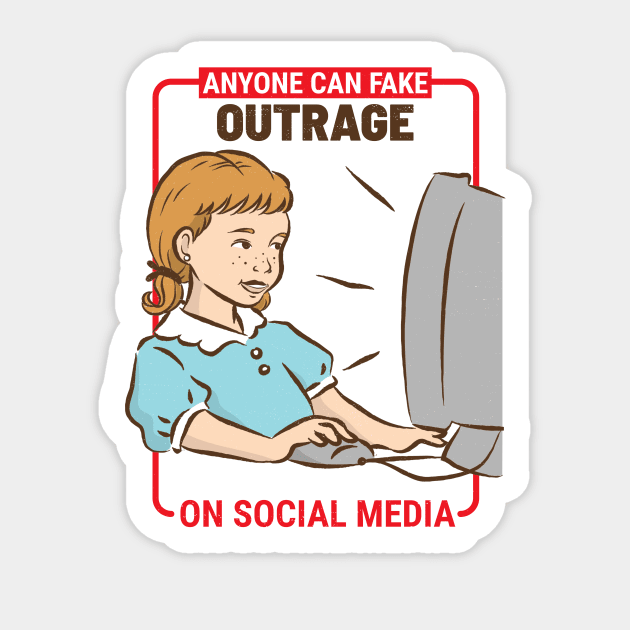

Every morning in Zimbabwe, the outrage begins like clockwork. A Twitter thread appears: “The government must stop overpriced vehicle license fees!” A Facebook post demands, “Zimbabweans should insist on fair public transport fares!”
Somewhere, an activist hashtags a new policy blunder. By midday, the digital landscape is alight with moral imperatives.
Ministers scroll past, smiling privately, perhaps even grateful for the free publicity. Our carefully crafted outrage, punctuated with gifs, emojis, and righteous indignation, is exactly the kind of predictable theater they have grown to enjoy.
The government doesn’t act because it doesn’t need to. Our keyboard heroics provide them legitimacy without effort. We pat ourselves on the back, the outrage perfectly polished, the performance flawless, while the country’s problems stay comfortably unshaken.
The PVO Bill gave us another chance to perform. Overnight, timelines filled with righteous declarations. “The government must stop silencing NGOs.” “Zimbabweans should resist this attack on freedoms.”
The Bill was dissected and critiqued with such fervor it felt ritualistic. Twitter spaces buzzed with highlighted clauses. Officials watched, sipping tea, appreciating how busy we were keeping ourselves.
The more elaborate the critique, the less pressure there seemed to be. Someone even drew a flowchart of NGO funding. The ministry stayed quiet. Silence is the cheapest form of governance when activists are doing the amplification.
Then came the Kwekwe old man. The presidential title deeds scheme lit up our feeds. Gleaming documents were handed to residents in front of cameras.
But this time, the outrage was about legality. Top lawyers, including Fadzayi Mahere, reminded everyone that the president had no constitutional authority (or something like that) to issue title deeds. The arguments were solid.
Yet the play was familiar. Activists explained the illegality in patient threads. Lawyers went on record. Citizens shared clips. Government moved on.
For them, the beauty of such outrage is in the repetition. A grand gesture is made. We shout “illegal!” The law is quoted. The documents remain printed. The cameras capture smiles. The spectacle is complete.
Then that time it was the Patriots Act. Another feast for our moral appetite. Timelines filled with self-appointed constitutional experts. Clauses were dissected. Comparisons were drawn with colonial statutes. Loopholes were hunted down like prey.
Comment threads stretched into miniature seminars. Some activists turned into legal lecturers, others into armchair historians. Every line of the law was parsed with seriousness.
The government barely lifted a finger. A vague clarification here, a shrug there. Enough to keep the debates alive. Enough to keep us talking to each other.
Remember when Al Jazeera dropped the gold smuggling exposé? Ministers, businesspeople, church figures, all caught in glitzy high-definition. Bags of gold, money-laundering schemes, whispered deals in plush hotels.
The outrage was instant. Social media turned into a theatre of fury. Activists recorded videos of themselves reacting in real time. Threads ran thousands of words, complete with screenshots and quotes. Hashtags trended for days.
Newspaper columnists joined in. Long essays condemned corruption. Editors thundered about national shame. Headlines carried the weight of moral fury.
Are you enjoying reading this post? Receive Notifications via email when new articles are published
For weeks, the exposé dominated every social media post. Every dinner table conversation. Every campus debate.
And then, silence. No arrests. No resignations. No consequences. The names from the documentary continued their lives as though nothing had happened.
Our outrage had been flawless. Our performance had been perfect. The government, again, needed to do nothing.
What fascinates me is how we, the activists, have industrialised our indignation. Every announcement, every scandal, every policy is a new opportunity to rehearse.
We scroll through newspapers and press releases like inspectors on a factory floor, searching for defects. A new bill appears. The keyboards clatter. A program is launched. Hashtags bloom.
By mid-morning, the digital landscape is a riot of righteous intent. The government watches. Citizens watch. We cheer each other on. Yet the realities remain unchanged.
Take the PVO Bill again. There were threads comparing it to laws in Russia, Uganda, even India. Scholars were quoted. Donors were tagged.
One activist even built a spreadsheet, colour-coded, showing which NGOs were most at risk. It was neat, professional, and shared widely. The ministry issued not even a bland statement.
Kwekwe followed the same pattern. Lawyers explained the president’s lack of power to issue deeds. Activists quoted constitutional provisions. Hashtags trended.
Government smiled. The deeds remained in the hands of recipients. The spectacle was intact.
The Patriots Act too. Clause by clause, word by word, our outrage was meticulous. We debated endlessly. We educated each other. Government stayed vague.
Even small issues follow this rhythm. A city council introduces a new traffic regulation. Outrage erupts. “The government must act fairly.” “Zimbabweans should resist this.”
Screenshots, memes, and petitions circulate. Somewhere in a ministry, a junior official notes the energy, knowing no follow-up will be required.
And still we persist. Out of necessity. Out of habit. Out of hope that one day the ritual might matter.
There is dignity in it. A record of concern. A log of solidarity. A reminder that someone was watching. We hashtag, caption, photograph, debate.
Our outrage becomes a ledger. Documenting missteps. Archiving injustice. Sustaining community. Useful perhaps for the future. For now, useful mostly to us.
Are you enjoying reading this post? Receive Notifications via email when new articles are published
Sometimes we laugh at ourselves. One activist suggested a bingo card: “Spot the must, win a free moral high ground.” Another proposed an outrage emoji scale.
Humour keeps us sane. It also reflects our compulsions. We have turned moral concern into a kind of game. The government lets us keep score.
Diaspora communities join in. NGOs abroad write reports. Diplomats issue statements. Foreign media cover the drama.
Inside Zimbabwe, not much shifts. We have built a parallel economy of outrage. Full of conversation, rich in critique, but divorced from consequences.
If outrage is seen, heard, analysed, but changes nothing, does it still matter? Perhaps yes. It keeps our civic muscles from atrophy. It reminds us what decency looks like.
But outrage can also become ritual. A performance. A self-sustaining cycle. The more articulate we are, the less urgent it feels to power. The irony is cruel.
And yet, the outrage industry is absurd and necessary. It reflects our refusal to look away. Our insistence on noticing. Our refusal to fall silent.
Ministers may smile. Officials may shrug. Laws may sit idle. Schemes may continue. But our digital ledger grows.
Our outrage is immortalised. Our rehearsals perfected. Our performance uninterrupted.
In that stubborn persistence lies a strange triumph. We will not stop. We will not be silent. We will continue the daily industry of outrage, even as those in power quietly enjoy the show.
Did you enjoy reading this post? Receive Notifications via email when new articles are published
Latest Articles
- Building The United States’ Golden Dome Missile Defense System And How To Start A Space WarIn May 2025, the world got a first-hand look at what a modern missile defense system looks like during a major international conflict, when Israel attacked Iran and triggered a rapid retaliation. What most people saw was a piece of Israeli Missile Defense system referred to as the Iron Dome. But that name hides a more complicated reality. The Iron Dome is only the lowest …
- IshowSpeed coming to ZimbabweMarondera – Darren Jason Watkins Jr., the American internet personality better known as IShowSpeed, is expected to visit Zimbabwe as part of an ambitious tour spanning 20 African countries, a move that signals a growing shift in how global digital culture engages with the continent. Watkins, just 20 years old, has become one of the most influential livestreamers of his generation, commanding tens of millions …
- Us vs ThemThere’s no “us.” There’s no “them.” There’s only the comfort of pretending there is. People need enemies the way lungs need air. Conflict gives meaning to the meaningless.Without opposition, identity collapses. So we build one. We draw lines on maps, then forget who drew them. Every tribe begins as fear, then calls itself culture.We love belonging because it saves us from thinking.It’s easier to chant …
- We Turned Horniness Into An IndustryLet me explain this slowly, because if you blinked for five minutes in June, you might’ve missed the moment humanity officially gave up pretending it had standards. An actress, Sydney Sweeney, famous, attractive, very online-adjacent, partnered with a men’s grooming company called Dr Squatch to release a limited-edition bar of soap. Five thousand bars. Eight dollars each. And the marketing hook, the thing that made …
- Smoke ScreensThe Epstein Files were supposed to be a revelation.A ledger of the powerful written in ink, not whispers.Promises were made. Promises were repeated.They claimed the truth would come out.The fog would lift.Transparency was the campaign slogan. Then the files arrived.And almost everything was blank.Pages upon pages covered in black boxes.Names, conversations, details, gone.Block after block of censorship.Critics call it about 90 percent redacted. That is …

 Zealous Thierry