


Views
The arrival of a new currency is always a public event, but it is rarely only about economics. The ZiG entered Zimbabwe’s daily life with a mixture of curiosity, caution and quiet fatigue. People lined up at banks. Others waited to see if shop prices would move. Most simply kept using whatever currency they trusted. A new note in a wallet can feel hopeful. It can also feel like an echo of things the country would rather forget.
The ZiG was introduced in April 2024. It was presented as a currency backed by gold and other reserves. It was meant to calm a financial system shaped by years of inflation and the long memory of money that once collapsed in people’s hands. Within months, the ZiG found its way into daily transactions. It now accounts for a significant share of payments. Government officials speak about it with confidence. They point to the rise in gold prices. They highlight the growth of reserves. They speak of a future in which Zimbabwe will use one currency by 2030. The story sounds clear when told from a podium. It feels less certain when lived in the homes and market stalls that carry the weight of each economic experiment.
Money is never just a technical tool. It carries the history of a country. Zimbabwean households know this better than most. People remember the long queues during hyperinflation. They remember wages that lasted a week. They remember carrying notes that were worth little by the time they reached the shop. Those memories do not disappear because a new design is printed. They linger in the habits people form. A cautious person keeps a little in cash and a little in USD. A vendor follows the exchange rate more closely than the weather. A pensioner saves in whatever feels solid that month. These are quiet forms of self-protection. They shape how a country responds to any new policy.
The government hopes the ZiG can rebuild faith in the financial system. It believes the currency will gain strength if the country continues to accumulate reserves. Officials say they already hold about one billion dollars in usable reserves. They expect this figure to grow over the next three years. They speak of reaching the minimum import cover needed to anchor a single currency. They present 2030 as a year when monetary debate will settle into something calmer. For many, this sounds like a welcome dream. For others, it sounds like a page from a story they have read before.
Zimbabwe’s past attempts at currency reform create a shadow over the present. Even the most well-meaning policies must contend with the distrust left by earlier failures. The switch from the old Zimbabwe dollar to the US dollar brought temporary relief. The introduction of bond notes brought new anxieties. The move to the RTGS dollar created confusion for savers and wage earners. Each shift left marks on families. Some learned to adapt. Some fell through the cracks. Others left the country altogether. When the ZiG arrived, people held it with the same question in their minds. Will this survive. And if it does not, who will pay the price.
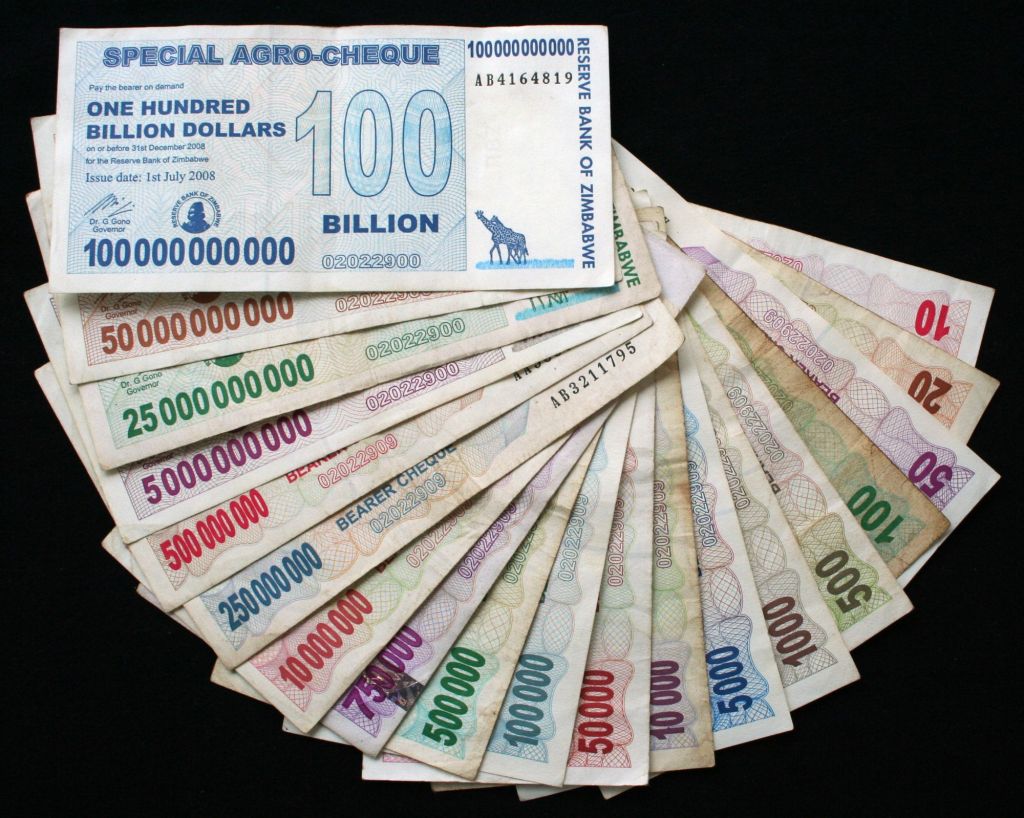
A new currency can spark a sense of hope. It can also reopen wounds that never healed. Inflation is not a single event. It is a slow erosion of trust. It changes how people think about risk. It shapes the decisions they make about food, transport and school fees. It seeps into family arguments. It makes small plans feel like big gambles. When a currency fails, people do not forget. They carry the lesson into every future attempt to rebuild. The ZiG is being born into a country where financial caution has become a daily language.
Yet the story is not only about trauma. Zimbabweans have a remarkable ability to adapt. People find ways to survive shifting prices. They learn new exchange rates overnight. They combine currencies in creative ways. A young shop owner might price goods in USD but accept ZiG at the day’s rate. A commuter might carry both currencies and switch between them depending on the driver. These are small acts of resilience. They create a rhythm that supports the country even when policy is unsettled.
Are you enjoying reading this post? Receive Notifications via email when new articles are published
The government’s long-term plan is to move towards a single currency. This would mean phasing out the US dollar by 2030. It is a bold target. A mono currency system can stabilise an economy if the foundation is strong. It can also strain households if introduced before trust has returned. For a single currency to work, people must believe in its value. Businesses must accept it without hesitation. Banks must honour deposits without restriction. The state must manage reserves with discipline. These are structural tasks. They require consistency, time and transparency.
The ZiG gained an early boost from rising gold prices. Zimbabwe is one of the countries where the mining sector has become a pillar of hope. Investors look to gold as a hedge. Government looks to it for stability. Communities living near mining operations see a more complicated picture. They witness the environmental cost. They watch wealth flow outward more quickly than it flows back. The gold boom adds confidence to the ZiG on paper. On the ground, it adds mixed feelings to daily conversation.
For the currency to succeed, it must grow beyond external events. It must earn trust through predictable behaviour. People want to know that a salary paid in ZiG today will hold its value tomorrow. They want to know that bank balances will not be converted without warning. They want to know that grocery prices will not double between paydays. They want a sense of predictability. A currency is a public promise. When that promise is kept, economic life becomes easier. When the promise is broken, everything becomes uncertain.
Zimbabwe’s story with money is also a story about memory. The country has lived through severe inflation. It has lived through currency scarcity. It has lived through sudden policy changes. These events create a collective memory that influences each new chapter. The ZiG enters a field shaped by history. It must find a way to grow in soil that has been disturbed many times.
The debate over 2030 raises practical questions. Can the country continue to build reserves. Can the mining sector sustain current production levels. Can government maintain fiscal discipline. Can the public regain enough trust to leave the US dollar behind. Some say yes. Others say the journey is longer than the timeline suggests. Most people simply wait to see how prices behave. They know that economic truth reveals itself slowly, through everyday life.
What makes the current moment interesting is the balance between hope and caution. Many Zimbabweans want the ZiG to work. They are tired of using multiple currencies. They want a simpler system. They want wages that feel real. They want savings that hold meaning. The desire for stability is strong. At the same time, they know hope alone cannot protect them. They anchor their trust in what they can see. They watch the exchange rate. They follow inflation reports. They study how businesses respond. They place their faith in careful observation rather than promises.
In this environment, the ZiG becomes more than a currency. It becomes a test of national honesty. It forces the country to ask what it has learned from past crises. It invites reflection on the responsibilities of leadership. It highlights the need for communication that feels genuine. People do not expect perfection. They expect clarity and consistency. When these are present, belief grows. When they are absent, doubt spreads.
Zimbabwe stands at a delicate moment. The ZiG has taken root in daily life. It has shown early signs of stability. It has also reminded the country of earlier struggles. The government speaks of 2030 with confidence. Citizens approach the idea with caution. The distance between these two positions is filled with hard questions. Can institutions rebuild trust. Can policy remain disciplined. Can the wounds of inflation heal enough for people to believe in a single national currency again.
A new currency always asks old questions. It asks whether the state can protect the value of work. It asks whether a family can plan with confidence. It asks whether history can be acknowledged without being repeated. These questions do not disappear with new notes. They stay with the country until answered through action rather than speeches.
The ZiG is part of a larger story about Zimbabwe’s search for economic dignity. It is a story shaped by hardship, resilience and the slow rebuilding of trust. The road to 2030 will test the strength of that trust. It will also reveal whether the lessons of the past have settled deeply enough to guide the country forward. For now, people carry the ZiG with a mixture of hope and caution. That balance may be the most honest reflection of where the country stands.
Did you enjoy reading this post? Receive Notifications via email when new articles are published
Latest Articles
- Volume 2: Media Mirror Complete Issues #27-#40Issue #27 Netanyahu went on Fox News and told Sean Hannity this conflict would lead to peace and democracy in Iran. This is the same Prime Minister whose country just dropped 1,200 munitions across 24 Iranian provinces, going on American television, to an American host with no critical instincts whatsoever, to tell Americans it’s actually good news. Anyone with a modicum of intelligence would see …
- Fox News And The Three Part MissionPete Hegseth outlined a three-part military mission strategy against Iran. 1. Destroy missile capabilities. 2. Cripple its navy. 3. Prevent nuclear weapons. That’s the Fox News headline. Clean. Structured. Three parts. A plan, with competent men behind it. Read the same day’s Al Jazeera. The death toll is past a thousand. Tehran is being hit in what the Israelis are calling the tenth wave of …
- Operation Epic Fury VS The US-Israeli War On IranNotice the name. The Americans call it “Operation Epic Fury.” Fox News runs it in bold like a movie title. Heroic. Decisive. Epic. Fury. Meanwhile Al Jazeera’s headline on day one reads: the United States-Israeli war on Iran. Notice how they do not say “operation” or “mission” . It’s a war, on Iran. Subject, verb, object. Clean, factual, brutal. These are not two outlets covering …
- The Long GameHere’s the cold, rational truth. Even if this works, even if the Iranian regime collapses, even if some moderate government rises from the wreckage, even if not one more American dies, the Trump Administration will have established that the United States assassinates foreign heads of state without congressional approval, that international law means nothing when America decide it’s inconvenient, that diplomatic negotiations can be abandoned …
- Six American soldiers are dead in the #USIranWar The US military confirmed that its death toll from the conflict has risen to six, after two bodies were recovered from a regional facility struck by Iran. Six. With more promised. Trump himself said there will be more casualties. He said it like a weather forecast. “There will likely be rain on Tuesday. There will likely be more American deaths.” Six families were destroyed. Six …
- The Insurance Companies May Have Ended The #USIranWarHere’s the most surreal part of all of this: Iran didn’t even need to physically close the Strait of Hormuz. Iran has deployed selective drone and rocket attacks. That’s been enough for shipping companies and the insurers who underwrite them to balk at the risk of sending ships through the strait. The insurance companies said no. That was it. Fifteen hundred years of naval strategy, …
- The Sanctions Came FirstThis war didn’t start on February 28. The strikes follow the failure of recent indirect talks between the US and Iran in early February 2026. The talks themselves followed the October 2025 triggering of the snapback sanctions against Iran under the 2015 nuclear deal by the UK, Germany and France. Together, sanctions, failed talks and airstrikes form a sequence. A chain. Every link was a …
- What Does Regime change Actually Mean?Trump said regime change on day one. Then he walked it back. Then it came back. Trump’s goals for the war have shifted from regime change to stopping Iran from developing nuclear capabilities to crippling its navy and missile programs. In five days! The goal of the war changed three times in five days! It looks like man making it up as he goes with …
- The MAGA coalition is CrackingTrump’s MAGA coalition is splintering over what it sees as the president’s failure to keep his “America First” campaign promise by leading the U.S. toward an overseas war to protect his pupeteers, Israel. The base that chanted “no more wars” is watching their guy start one. Without Congress and without a plan, not even a coherent explanation of what victory looks like. Some are staying …
- Diplomacy?The strikes follow the failure of recent indirect talks between the US and Iran on Iran’s nuclear programme in early February 2026. Early February, that’s three weeks before the bombs. Talks were happening and negotiations were underway. And then the bombs. On 25 February 2026, Iranian Foreign Minister Abbas Araghchi stated that a “historic” agreement with the United States was possible. Three days before the …
- The Veterans Know How This EndsRep. Seth Moulton, who served with the Marines during the United States’ second war in Iraq, said: “The two basic problems with Bush’s War in Iraq were that it was based on a lie and there was no plan for what comes next.” He served. He was there. He knows what the inside of one of these disasters looks like. And he’s watching the same …

 Zealous Thierry