

Views
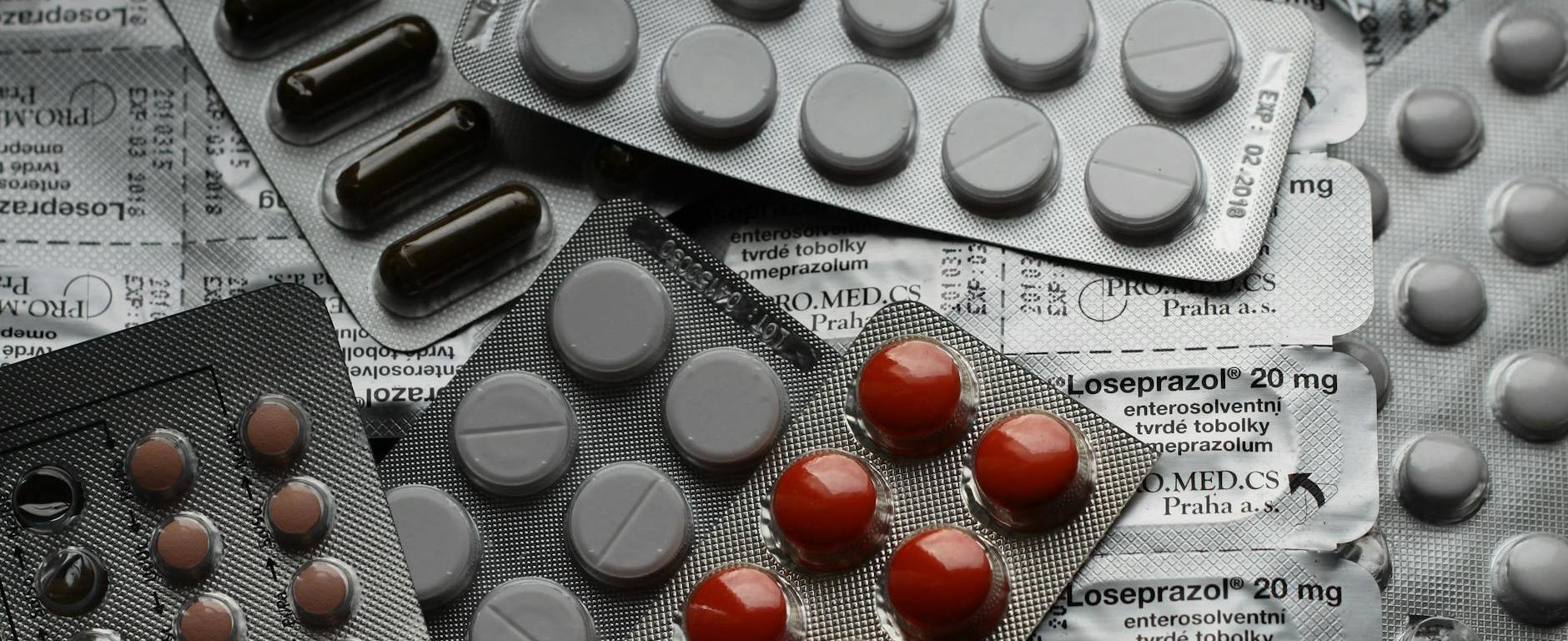
Walk into any pharmacy in Zimbabwe and you will find them. Antibiotics sold for headaches, for colds, for a sore throat after a night in the rain. No lab test, no prescription from a doctor who has checked if the illness is even bacterial. Just a polite exchange of cash and pills. We are using them for everything, and it is going to cost us more than we can afford.
The power of antibiotics is easy to take for granted because most of us have grown up in a world where infections are rarely a death sentence. For most of human history, it was the opposite. Diseases swept through populations unchecked, changing the course of civilisations.
Archaeological records suggest plague epidemics go back at least 5,000 years. The Old Testament speaks of rats and tumours devastating communities. The Plague of Justinian in the 6th century may have helped bring down the Byzantine Empire. The Black Death wiped out between a third and half of Europe’s people. These were not just health disasters but social and economic earthquakes.
When penicillin was discovered in 1928 and began to be widely used during the Second World War, it felt as if those grim chapters had been closed for good. Surgery became safer, childbirth less perilous, and infections that once doomed the sick to certain death could be treated in a matter of days.
But even as antibiotics began saving lives, the seeds of their undoing had already sprouted. Before penicillin reached patients, scientists had found bacteria carrying enzymes that could destroy it. Bacteria are survivors. Their goal is simple: replicate, spread, and endure. Each time they meet an antibiotic, they adapt. The weak die, the strong survive, and their descendants inherit that armour.
Over the decades, medicine fought back by inventing new drugs and new classes of antibiotics. But the bacteria always caught up. Now we face “superbugs” resistant to multiple treatments. In 2019, antimicrobial resistance (AMR) was directly responsible for 1.27 million deaths and played a role in nearly 5 million more. If the trend continues, the annual death toll could reach 10 million by 2050. That is way more than the global cancer burden today.
Are you enjoying reading this post? Receive Notifications via email when new articles are published
Zimbabwe is already feeling the weight of this crisis. Drug-resistant gonorrhoea means healthcare professionals rely almost entirely on one injectable drug, ceftriaxone. Some urinary tract infections shrug off the standard pills. Hospital infections sometimes leave doctors with no effective options.
Part of the problem is cultural. A teacher with the flu will pressure a clinic for antibiotics so she can be back in class tomorrow. A parent gives leftover pills to a coughing child “just in case.” Health workers, short on time and under pressure to please, sometimes hand over a prescription rather than spend precious minutes explaining why that amoxilin won’t help with your influenza headache.
The other part is structural. Antibiotics are easily bought over the counter. In agriculture, they are fed to livestock to boost growth and prevent illness in cramped farming conditions, passing resistant bacteria to humans through meat, milk, and even water.
Losing antibiotics would roll the clock back centuries. Caesarean sections, hip replacements, and cancer chemotherapy would all become far riskier. Pneumonia, diarrhoea, and infected wounds could again claim young, healthy lives.
If we are to preserve antibiotics for the future, change must start now. Pharmacies must enforce prescription rules. Clinicians must resist patient pressure when antibiotics won’t help. Farmers must reserve these drugs for sick animals, not for fattening stock. And each of us must stop treating antibiotics as a cure-all for every cough, sneeze, or fever.
Antibiotics are not just another medicine. They are the thin shield between us and a return to an age when the simplest infection could be fatal. That shield is cracking. If we let it break, there will be no quick fix, no backup plan—just the slow realisation that we handed the advantage back to the very enemies we thought we had defeated forever.
Latest Posts
- Building The United States’ Golden Dome Missile Defense System And How To Start A Space WarIn May 2025, the world got a first-hand look at what a modern missile defense system looks like during a major international conflict, when Israel attacked Iran and triggered a rapid retaliation. What most people saw was a piece of Israeli Missile Defense system referred to as the Iron Dome. But that name hides a more complicated reality. The Iron Dome is only the lowest …
- IshowSpeed coming to ZimbabweMarondera – Darren Jason Watkins Jr., the American internet personality better known as IShowSpeed, is expected to visit Zimbabwe as part of an ambitious tour spanning 20 African countries, a move that signals a growing shift in how global digital culture engages with the continent. Watkins, just 20 years old, has become one of the most influential livestreamers of his generation, commanding tens of millions …
- Us vs ThemThere’s no “us.” There’s no “them.” There’s only the comfort of pretending there is. People need enemies the way lungs need air. Conflict gives meaning to the meaningless.Without opposition, identity collapses. So we build one. We draw lines on maps, then forget who drew them. Every tribe begins as fear, then calls itself culture.We love belonging because it saves us from thinking.It’s easier to chant …
- We Turned Horniness Into An IndustryLet me explain this slowly, because if you blinked for five minutes in June, you might’ve missed the moment humanity officially gave up pretending it had standards. An actress, Sydney Sweeney, famous, attractive, very online-adjacent, partnered with a men’s grooming company called Dr Squatch to release a limited-edition bar of soap. Five thousand bars. Eight dollars each. And the marketing hook, the thing that made …
- Smoke ScreensThe Epstein Files were supposed to be a revelation.A ledger of the powerful written in ink, not whispers.Promises were made. Promises were repeated.They claimed the truth would come out.The fog would lift.Transparency was the campaign slogan. Then the files arrived.And almost everything was blank.Pages upon pages covered in black boxes.Names, conversations, details, gone.Block after block of censorship.Critics call it about 90 percent redacted. That is …
- The Redacted States Of AmericaThey finally released the Epstein files. And by “released,” I mean they handed the public a stack of black rectangles wrapped in patriotic bullshit and said, ‘here you go, transparency.’ Not truth, mind you. Not accountability either. Transparency cosplay. The kind where the light technically passes through, but you still can’t see a fucking thing. Page after page after page looks like it lost a …
- We Cant Have Shit AnymoreSomewhere out there, a very tired underpaid FBI agent had to write a sentence that would’ve sounded insane just ten years ago. “Criminals may use AI-generated images to fake kidnappings and demand ransom.” That sentence alone should qualify us for a species-wide timeout. And of course the internet did what the internet does and immediately joked about how this will disrupt the real kidnapping industry. …
- Africa is The New Cold War FrontYou ever feel like the whole damn planet suddenly remembered Africa exists. Not because they actually give a shit about Africans, but because the minerals are running low everywhere else and China has been scooping up the continent like it’s a Black Friday sale? Because that’s exactly what’s happening. And now, out of nowhere, every global superpower is acting like they’ve always loved us, like …
- My Unorthodox Thoughts On The US-Zimbabwe Partnership ResetOh look! America and Zimbabwe are “starting fresh.” Again. For the 900th time. The U.S. has now discovered that Zimbabwe could be “a great partner.” No shit, Sherlock. Anyone can be a great partner as long as they have lithium, gold, and a government desperate enough to smile at whoever shows up with a business card. And the Herald is acting like this is the …
- The World Didn’t Sign Up To Be America’s Captive Audience (But Here We Are)Sometimes I look at my social media feed and wonder when exactly I became an unpaid U.S. political analyst, commentator or whatever. I live thousands of kilometers away, my taxes don’t go there, I don’t vote there, and yet every day I’m force-fed a steady diet of American political drama like it’s my emotional multivitamin. I open TikTok: screaming match between a congressman and a …

 Zealous Thierry