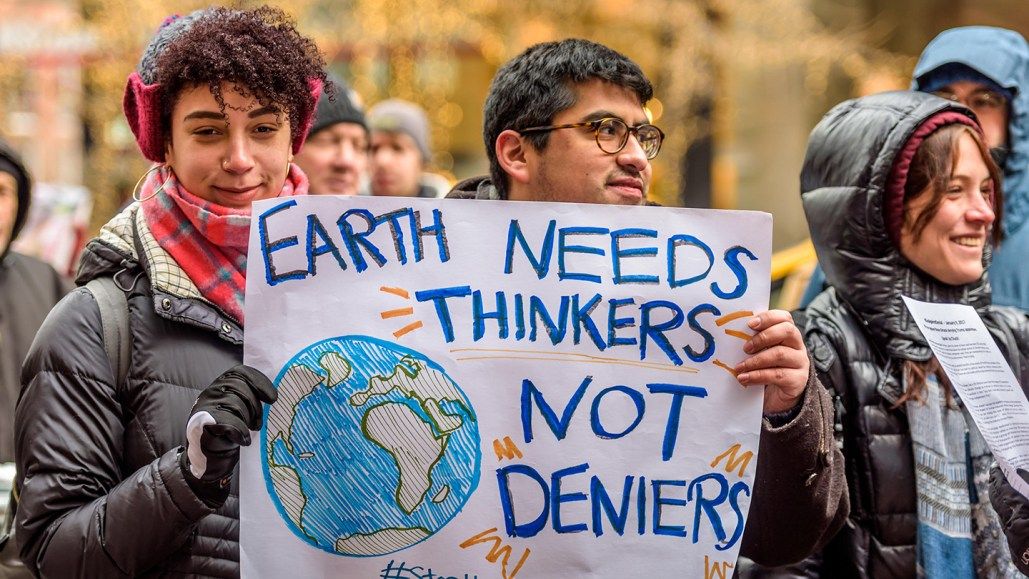
Can Zimbabwe, a country widely known for its stunning natural beauty and rich cultural heritage overcome the unprecedented environmental crisis that threatens its very existence? The scientific consensus is clear: human activities are causing irreparable harm to the planet, pushing the Earth’s temperature to dangerous heights and putting our very existence at risk. Despite the overwhelming evidence, political rhetoric and denial continue to prohibit collective action against the climate crisis. This is the reality of environmental degradation in Zimbabwe and the urgent need for concerted efforts to address this global threat.
The fossil fuel industry continues to stand as a formidable barrier. For decades, big oil and gas companies have always known about the environmental havoc caused by their products, yet they have chosen profit over the welfare of people and the planet. Through a web of lobbying, misinformation, and strategic contributions, “Big Oil Supermajors” have succeeded in stalling the shift to renewable energy sources.
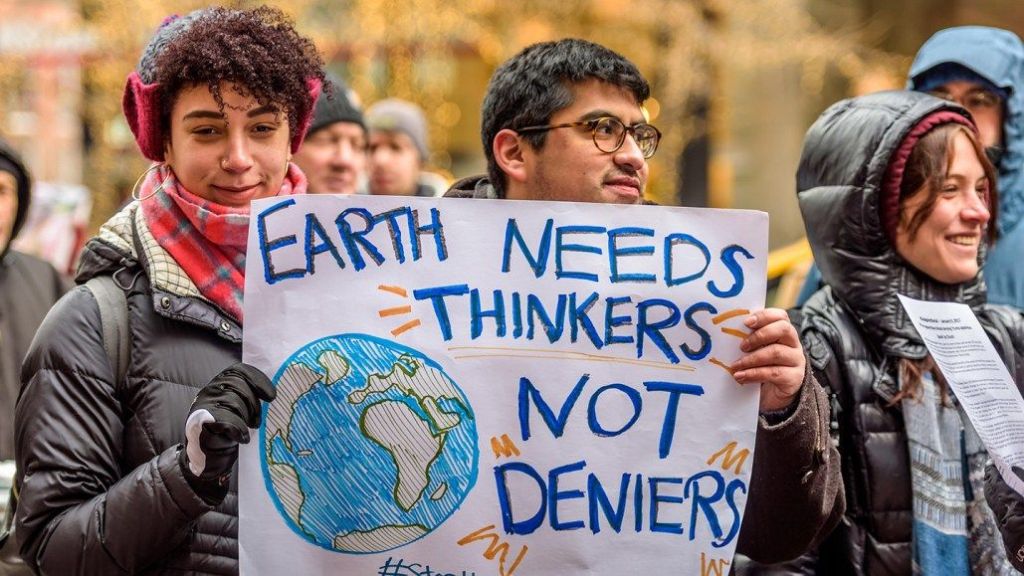
Equally obstructive is the politics of denial. In the face of irrefutable scientific evidence, many a politicians and policymakers continue clinging to a stance of climate change negation and trivialization. This denial is often rooted in ideological dogma and a protectionist stance towards fleeting economic gains. The consequence is a dearth of political resolve to tackle the climate crisis and a failure to enact the necessary policies and regulations to curb greenhouse gas emissions.
This climate of fear pervades the populace as well. Many are now fearful to voice their concerns about climate change, for fear of mockery, exclusion, or economic backlash. This fear is stoked by the divisive rhetoric of politicians and media, which often frame climate change as a partisan issue rather than a universal menace.
So, how do we surmount these entrenched interests and ideological divides that impede meaningful action on climate change? Firstly, we must acknowledge the pressing need for collective action. Climate change is a global problem demanding a unified response, and we must band together to diminish greenhouse gas emissions and transition to renewable energy sources.
Furthermore, we must hold the fossil fuel industry to account for its deeds. This entails enacting policies and regulations that limit the extraction and utilization of fossil fuels, and holding industry magnates accountable for the environmental degradation they have inflicted.
Thirdly, we must confront the politics of denial and fear. This involves educating the public on the science of climate change and fostering a culture of acceptance and inclusivity. We must also hold politicians and policymakers accountable for their decisions, and insist that they prioritize the planet’s health over short-term economic interests.
Lastly, we must strive for a sustainable future for the generations that will follow. This includes investing in renewable energy sources, advocating for sustainable agriculture and land use practices, and safeguarding the natural world. We must also recognize the disproportionate impact of climate change on vulnerable communities and endeavor to rectify the systemic inequities that perpetuate poverty and social injustice.
The climate of fear that envelops the climate crisis poses a significant barrier to meaningful action. Nonetheless, by embracing the urgent need for collective action, holding the fossil fuel industry accountable, challenging the politics of denial and fear, and working towards a sustainable future, we can surmount these hurdles and forge a better world for the generations to come.

 Zealous Thierry