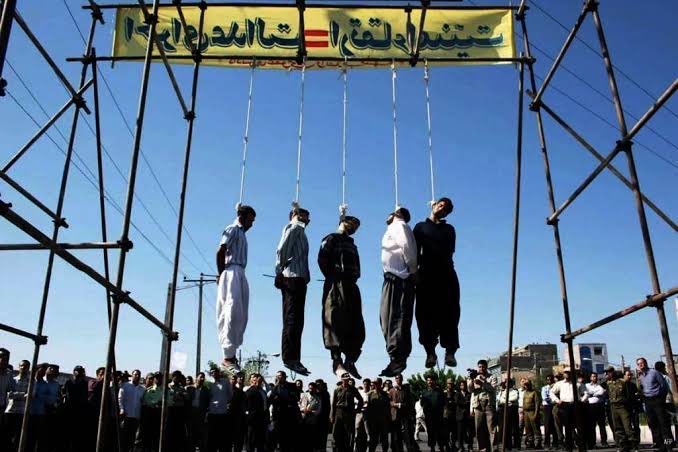
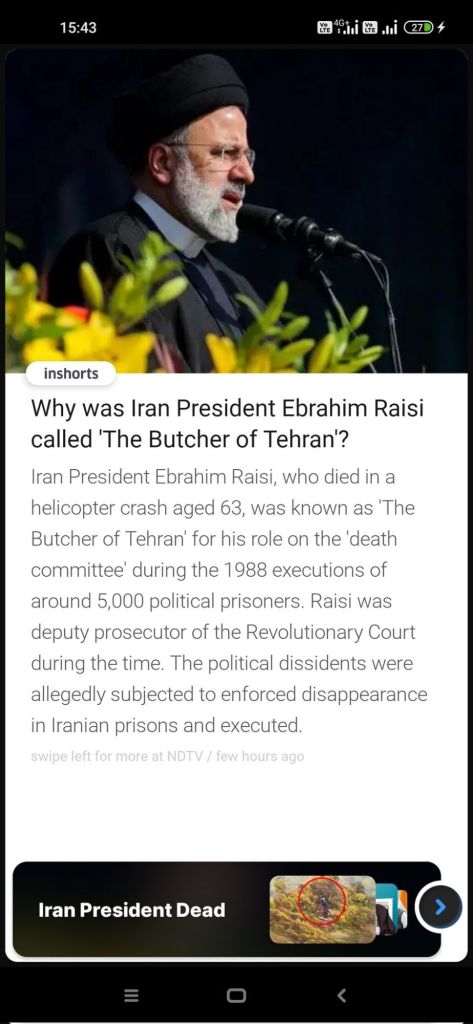
Throughout history, the passing of a leader has often marked a significant turning point in the trajectory of a nation. Yet, in the case of Iran, the sudden demise of President Ebrahim Raisi in a helicopter crash will serve as a reminder that the true bastion of power lies not with the individual, but with the system that outlives them.
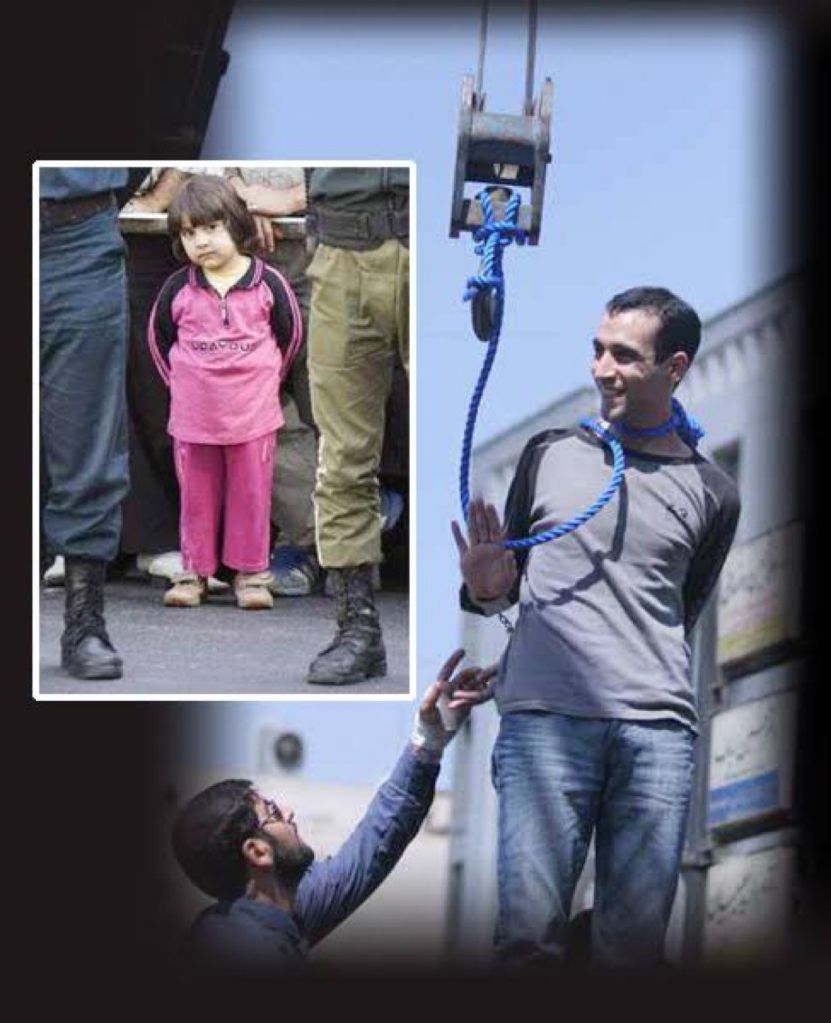
Since the dawn of civilization, Iran has been a nation beset by the twists and turns of fate. From the ancient empires of Persia to the modern-day Islamic Republic, the country has been shaped by the ebbs and flows of history. And through it all, one constant has remained: the indomitable will of the Iranian people to survive, to thrive, and to resist the forces of oppression.
In the modern era, Iran has been governed by a political system that is at once complex and opaque. A theocratic regime, born of the 1979 Revolution, has held sway over the nation, its power consolidated through a network of clerical and military elites. And at the helm of this system, President Raisi stood as a symbol of the regime’s unyielding commitment to its ideals.
But the passing of President Raisi has not marked the end of this system. Rather, it will serve as a catalyst for its rebirth, a reminder that the true power of the regime lies not with the individual, but with the institutions that sustain it. The Supreme Leader, the Council of Guardians, the Revolutionary Guard – these are the pillars upon which the regime stands, and it is they who will continue to shape the destiny of Iran long after the memory of President Raisi has faded.
Throughout history, Iran has been a nation of rebels and revolutionaries, of poets and philosophers. And it is this spirit of resistance, this unquenchable thirst for freedom and justice, that has driven the nation forward, even in the face of overwhelming adversity. From the Constitutional Revolution of 1906 to the Green Movement of 2009, the Iranian people have time and again risen up against the forces of oppression, demanding a voice in their own governance, and a stake in their own future.
And yet, despite this long history of resistance, the regime remains, its power unbroken, its grip on the nation unrelenting. For in Iran, the political system is not simply a collection of individuals, but a complex web of relationships, of patronage and clientelism, of loyalty and obligation. It is a system that has been honed over decades, refined through the crucible of revolution and war, and it is a system that will not be easily dismantled.
In contrast, the death of other leaders has led to the collapse of their regimes. For example, the death of Muammar Gaddafi in 2011 led to the collapse of the Libyan regime, despite following struggles, while the death of Saddam Hussein in 2006 marked the end of the Baathist regime in Iraq. Similarly, the death of Adolf Hitler in 1945 led to the collapse of the Nazi regime in Germany, and the death of Joseph Stalin in 1953 led to significant reforms in the Soviet Union.
In the days and weeks that follow the passing of President Raisi, the world will watch with bated breath as Iran navigates this latest turning point in its history. Will the regime continue on its present course, its power unbroken, its grip on the nation unrelenting? Or will the Iranian people rise up once more, demanding a voice in their own governance, and a stake in their own future? Only time will tell.
But one thing is certain: the political system of Iran will survive, its power and influence unbroken, its grip on the nation unrelenting. For in Iran, the regime is not simply a collection of individuals, but a living, breathing entity, a hydra-like creature that will continue to thrive, even in the face of adversity.
In the end, it is not the dictator that we must overcome, but the dictatorship – a system that survives through silence and thrives in the absence of light. And it is up to the Iranian people, and to the world at large, to shine a light on this system, to expose its inner workings, and to demand a better future for all.

 Zealous Thierry